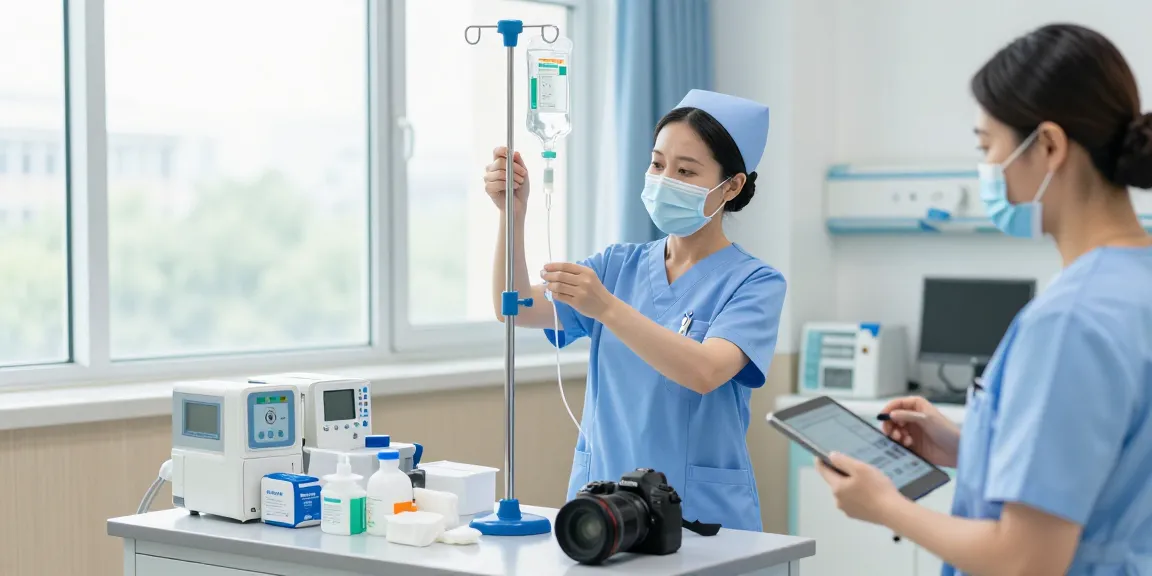
The Importance of IV Supplies in Modern Healthcare
Intravenous (IV) therapy is a cornerstone of contemporary medical treatment, facilitating the direct delivery of fluids, medications, and nutrients into a patient’s bloodstream. In an age where efficiency, safety, and patient comfort are paramount, the role of IV supplies has never been more critical. Understanding the multifaceted nature of these supplies and their implications on patient care is essential for healthcare professionals striving to enhance treatment outcomes.
Defining IV Supplies and Their Role in Treatment
IV supplies encompass various components that are essential for the successful administration of intravenous therapy. This includes IV bags, infusion pumps, catheters, and a slew of other accessories. Each of these components plays a specific role in ensuring that medications and fluids are delivered effectively and safely. The right combination of IV supplies not only improves the patient experience but also enhances the overall efficacy of treatment protocols.
Common Misconceptions About IV Administration
Many misconceptions surround IV administration, leading to confusion among both healthcare providers and patients. One prevalent myth is that IV therapy is only necessary for patients who are severely ill. In reality, IV therapy can be beneficial in a variety of situations, including hydration, medication delivery, and even nutritional support for patients who cannot eat or absorb nutrients effectively. Another misconception is that all IV supplies are interchangeable, when in fact, different procedures and patient needs require specific types of equipment to ensure optimal safety and effectiveness.
How IV Supplies Impact Patient Outcomes
Research shows that the quality of IV supplies has a direct correlation with patient outcomes. High-quality, reliable IV components minimize complications such as infections, phlebitis, and infiltration—issues that can lead to extended hospital stays and increased healthcare costs. By utilizing advanced IV supplies, healthcare professionals can ensure that patients receive their treatments correctly and comfortably, which is crucial for recovery and overall satisfaction with care.
Essential Types of IV Supplies for Healthcare Professionals
Primary IV Sets and Infusion Pumps Explained
The primary IV set consists of tubing and a drip chamber that connects the IV bag to the patient. Infusion pumps, on the other hand, deliver controlled amounts of medications or nutrients, minimizing the risk of human error in dosage. Understanding the differences between gravity-fed systems and pump systems is vital, as each system serves distinct purposes in patient care.
Complementary Supplies: Tubing and Connectors
Complementary supplies, such as tubing and connectors, are vital in the overall setup of IV systems. Tubing is responsible for channeling fluids from the IV bag to the patient, while connectors ensure secure, leak-proof connections between devices. The choice of these components can significantly impact the flow rate and the potential for complications. For instance, using dedicated tubing for specific medications can prevent adverse interactions.
Ensuring Sterility: The Importance of Safety Supplies
The importance of safety supplies cannot be overstated when it comes to IV administration. Items like alcohol swabs, sterile gloves, and IV caps play a crucial role in preventing infections, particularly in vulnerable patient populations such as the elderly or immunocompromised individuals. Adhering to strict aseptic techniques is essential in maintaining the integrity of the IV delivery system.
Best Practices for Using IV Supplies Effectively
Steps for Proper IV Setup and Maintenance
To ensure the success of IV therapy, healthcare professionals must follow meticulous protocols for setup and maintenance. Steps include verifying patient identification, selecting appropriate IV supplies, and conducting thorough checks for expiration dates and integrity of packaging. Regular monitoring of the IV site and timely change of supplies are crucial to prevent complications.
Monitoring IV Therapy: Key Indicators for Success
Monitoring the IV therapy is critical for assessing its effectiveness. Key indicators include the rate of flow, the appearance of the IV site, and the patient's overall response to the treatment. Adjustments may be necessary based on these observations, highlighting the importance of continuous assessment throughout the IV administration process.
Common Challenges and Solutions in IV Administration
Common challenges in IV administration include infiltration, phlebitis, and equipment malfunction. Addressing these issues requires healthcare professionals to be well-trained in identifying signs of complications early. Having an action plan, which includes strategies for the immediate replacement of IV supplies and alternative routes of administration, can significantly improve patient outcomes.
Real-World Applications of IV Supplies in Patient Care
Case Studies: Successful IV Therapy Interventions
Case studies highlight the critical role of IV supplies in various clinical settings. For example, in oncology, patients receiving chemotherapy often require specific IV supplies tailored to their treatment schedules. By employing advanced infusion therapy techniques, healthcare providers can effectively manage symptoms and enhance the therapeutic effect of medications.
Interdisciplinary Collaboration in Managing IV Supplies
Successful IV therapy often requires the collaboration of various healthcare professionals, including pharmacists, nurses, and physicians. This interdisciplinary approach not only ensures the correct selection and management of IV supplies but also enhances patient communication and education. Such teamwork can lead to improved patient adherence to treatment plans, ultimately benefiting patient outcomes.
Innovative Technologies Enhancing IV Supply Usage
New technologies are transforming the landscape of IV administration. For instance, smart infusion pumps equipped with dose error reduction software can help prevent common medication errors. Additionally, telehealth solutions allow for remote monitoring of patients receiving IV therapy at home, thereby ensuring consistent oversight and timely intervention when necessary.
Future Trends in IV Supplies and Patient Care
Emerging Innovations in IV Supply Technology for 2026
As we look towards 2026, emerging innovations in IV supply technology include the development of smart IV catheters that can monitor patient vitals and alert healthcare professionals to complications in real-time. These advancements promise to enhance the safety and efficacy of IV therapy, making treatments more responsive to individual patient needs.
The Role of Artificial Intelligence in IV Administration
Artificial intelligence (AI) is increasingly playing a role in optimizing IV supplies and administration processes. AI algorithms can analyze patient data to recommend the most appropriate IV supplies based on a patient's condition, history, and specific treatment requirements. This personalized approach could lead to better outcomes and increased patient satisfaction.
Preparing for Changes in Regulatory Standards
As technology and practices evolve, regulatory standards surrounding IV supplies will also likely change. Healthcare providers must stay informed about these shifts to remain compliant and ensure the safety of their patients. Continuous education and training will be vital in adapting to these new standards and implementing best practices for IV administration.
What are the key components of IV supplies?
The key components of IV supplies include IV bags, administration sets, catheters, infusion pumps, tubing, connectors, and safety supplies. Each plays a critical role in the successful delivery of intravenous therapy, ensuring that patients receive their medications safely and effectively.
How can healthcare professionals ensure IV safety?
Healthcare professionals can ensure IV safety by adhering to strict aseptic techniques, using sterile supplies, conducting regular site assessments, and implementing monitoring protocols. Continuous education on best practices will also help mitigate risks associated with IV therapy.
What technological advancements are influencing IV supplies?
Technological advancements like smart IV pumps, telehealth monitoring systems, and AI-powered decision-support tools are influencing the landscape of IV supplies. These innovations aim to enhance patient safety, streamline administration processes, and reduce the incidence of errors.
How can IV supplies improve patient comfort during treatment?
IV supplies that are designed with patient comfort in mind, such as soft, flexible catheters and user-friendly infusion pumps, can greatly enhance the overall treatment experience. Additionally, providing adequate patient education about the procedure can alleviate anxiety and improve satisfaction.
What trends should we expect in IV supply management by 2026?
By 2026, we can expect trends such as increased use of automated systems for IV supply management, enhanced telehealth integration, and a greater emphasis on personalized treatment approaches. Sustainability in manufacturing and supply chain practices will also be crucial as healthcare seeks to reduce waste and environmental impact.